
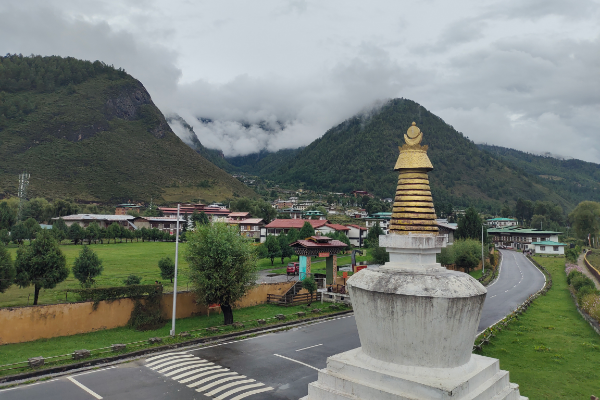

Bhutan, a small Himalayan kingdom nestled between India and China, is a land of awe-inspiring landscapes, rich cultural heritage, and deeply spiritual traditions. Known locally as Druk Yul (Land of the Thunder Dragon), Bhutan is one of the last remaining countries in the world to preserve its unique way of life, balancing modernity with ancient traditions.
Culture & People
Bhutanese culture is deeply rooted in Buddhism, which shapes daily life, art, and architecture. Visitors can explore ancient dzongs (fortresses), monasteries, and vibrant temples adorned with intricate murals and prayer flags. The Bhutanese are known for their friendliness, hospitality, and strong sense of community, making every interaction a memorable experience.
Geography and Climate
Bhutan is a land of dramatic contrasts, ranging from subtropical plains in the south to the towering Himalayan peaks in the north. Its valleys are lush and fertile, dotted with quaint villages and terraced farms. Bhutan experiences four distinct seasons:
- Spring (March–May): Blooming flowers, pleasant temperatures, and clear skies.
- Summer (June–August): Warm, green landscapes and occasional monsoon rains.
- Autumn (September–November): Ideal trekking conditions and festival season.
- Winter (December–February): Cold, crisp air and occasional snowfall in higher elevations.
Festivals
Bhutan’s festivals, or Tshechus, are colorful, spiritual, and joyous celebrations held in various districts. These festivals showcase traditional mask dances, music, and local crafts, offering a unique insight into Bhutanese spirituality and folklore. Notable festivals include the Paro Tsechu, Thimphu Tsechu, and Punakha Drubchen.
Lifestyle and Philosophy
Bhutan uniquely measures progress not only through economic growth but also through Gross National Happiness (GNH), a philosophy that emphasizes spiritual, social, and environmental well-being. Life in Bhutan is simple yet fulfilling, with a focus on community, nature conservation, and cultural preservation. Visitors experience this harmony through homestays, local interactions, and eco-friendly tourism initiatives.
Nature and Adventure
Bhutan is a paradise for nature lovers and adventurers. Its pristine rivers, dense forests, and high mountain trails offer endless opportunities for hiking, wildlife spotting, and photography. Iconic sites such as the Tiger’s Nest Monastery (Paro Taktsang), Dochula Pass, and Phobjikha Valley are among the many treasures that make Bhutan a once-in-a-lifetime destination.
Why Visit Bhutan?
Bhutan is more than a travel destination—it is an experience of serenity, spirituality, and cultural richness. Whether you are exploring sacred temples, attending lively festivals, trekking through untouched landscapes, or simply enjoying the warm hospitality of its people, Bhutan leaves a lasting impression of peace, wonder, and inspiration.
Fun Facts about Bhutan
- Bhutan is the world’s first carbon-negative nation, absorbing more carbon than it emits.
- Thimphu, the capital, stands out as one of the few capitals without traffic lights.
- Bhutan was the last country to introduce television and the internet, only doing so in 1999.
- Nestled deep in a valley, Paro Airport is famous for being one of the toughest airports for pilots to land at.
- Bhutan places more value on Gross National Happiness (GNH) than on Gross Domestic Product (GDP) for national progress.
- Bhutanese butter tea, called Suja, is unique for being served with butter and salt.
- Gangkhar Puensum, standing at 24,840 feet, is the highest unclimbed mountain in the world.
- Bhutan’s constitution requires at least 60% of the country to remain under forest cover at all times.
 Chinese
0 Comment